Glasgow Southside, the location of our new accommodations, had a different vibe and style than the neighborhood on the north side where we stayed earlier in our trip. It is comprised of several villages that were annexed into Glasgow in the late 19th century.
Today’s objective was Pollok Country Park. Our hostess gave us directions so we set out. Before long we saw a library, which of course is an automatic diversion for a photo op.
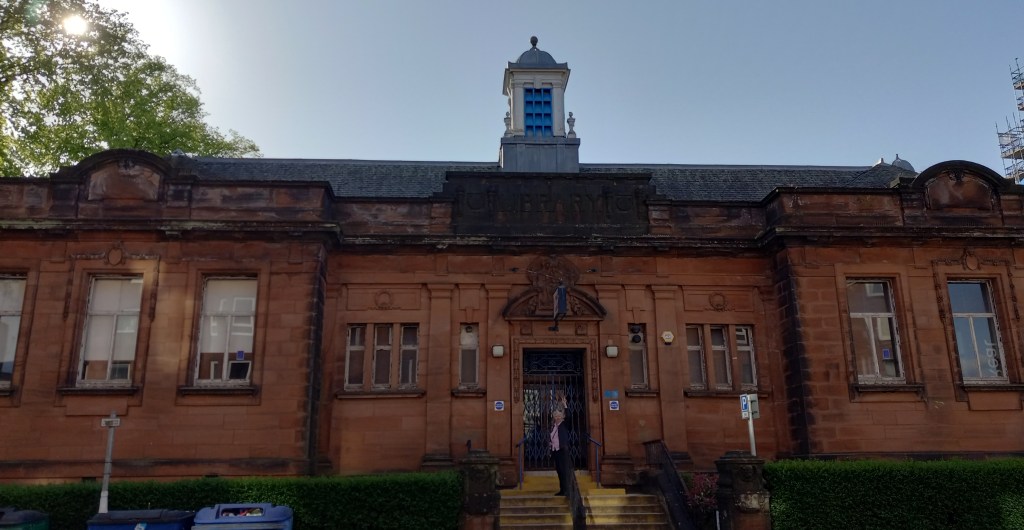
We don’t usually go inside the libraries we capture for Jane’s collection, but she decided to take a peek inside and waved me in to see something of interest. Jane asked a young lady behind the front desk a question about it which resulted in a rich conversation about the history of this library and the neighborhood it serves.
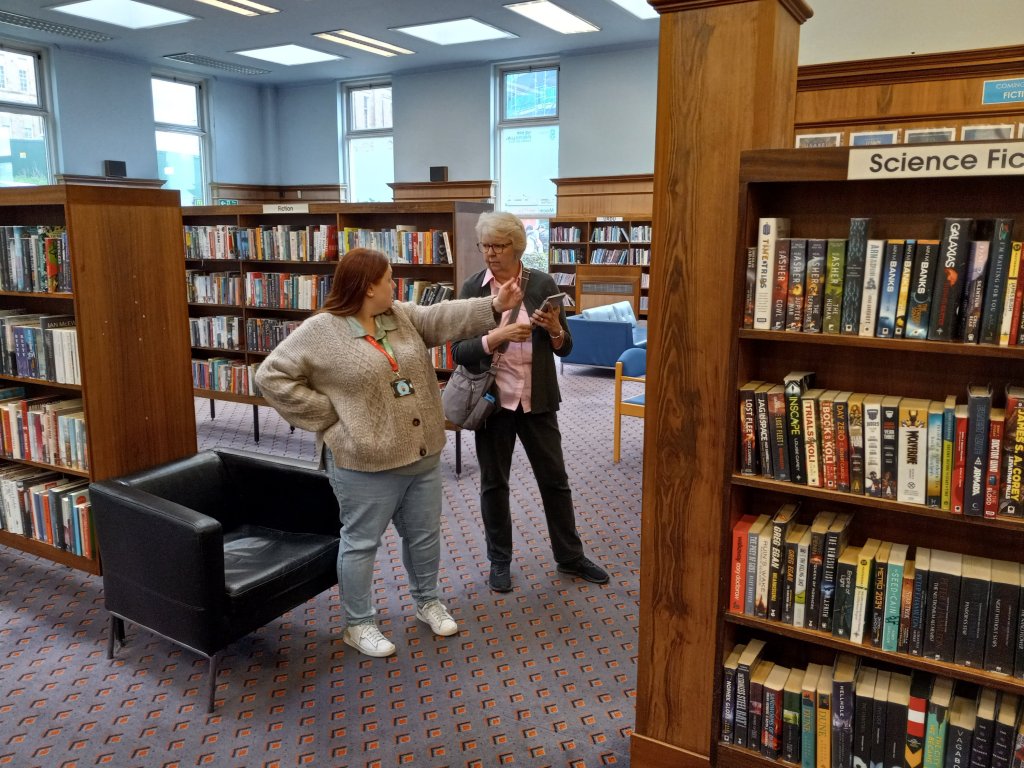
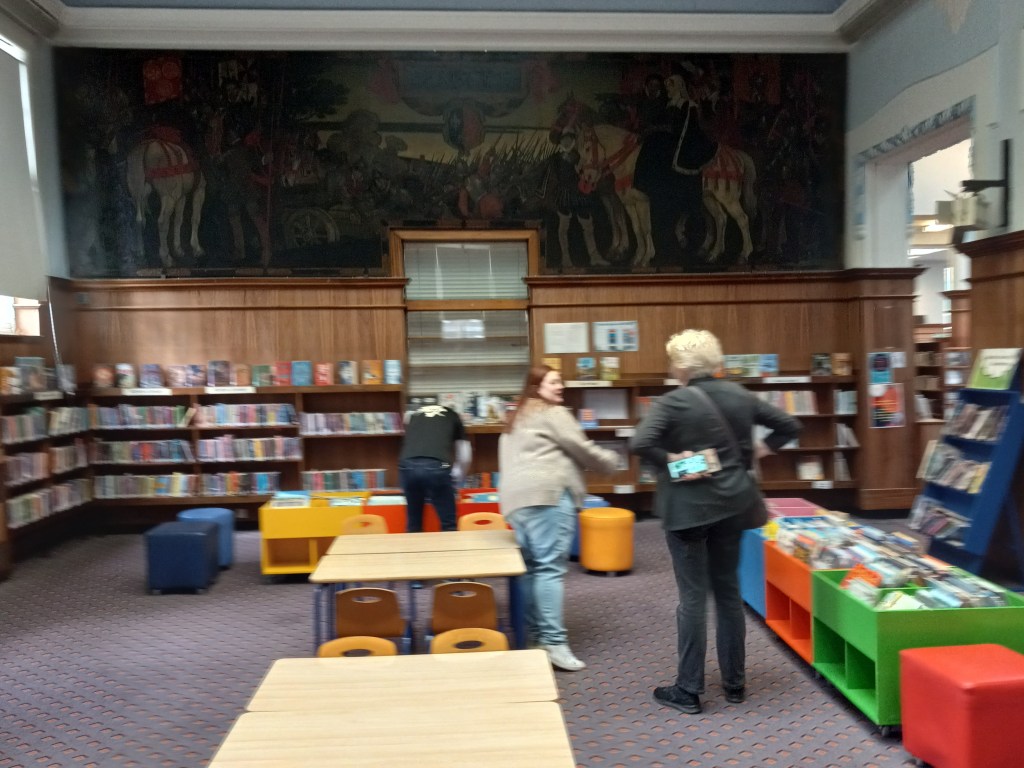
We learned that Langside library is a neighborhood branch in the Glasgow public library system. It is one of many libraries in Scotland and the US endowed by Andrew Carnegie. When it opened in 1915 it was the first in Glasgow to allow patrons to browse the shelves and select their own books. The feature that attracted Jane’s attention was this mural. It is a bit dark, due to its age (painted in 1920), but we understand that it will undergo restoration soon.
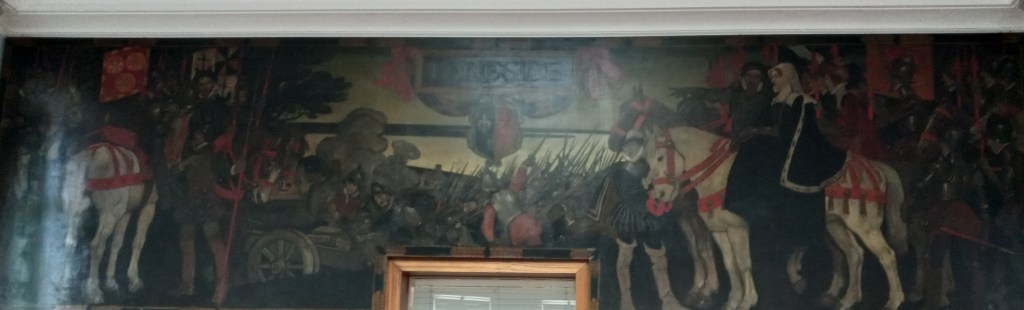
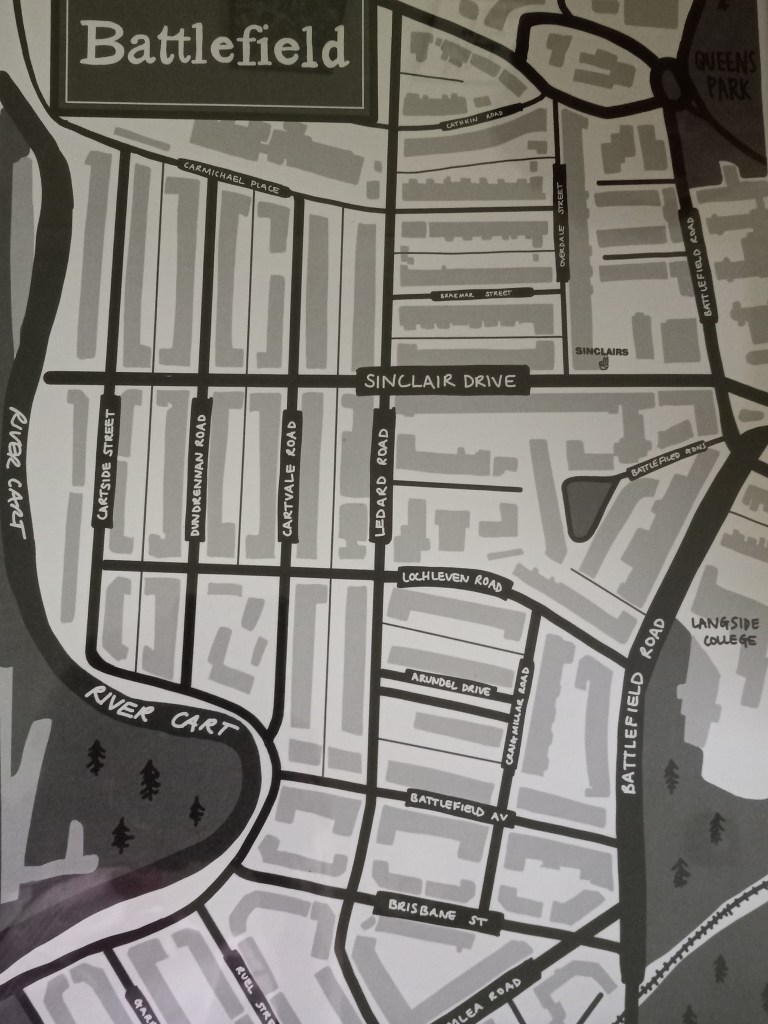
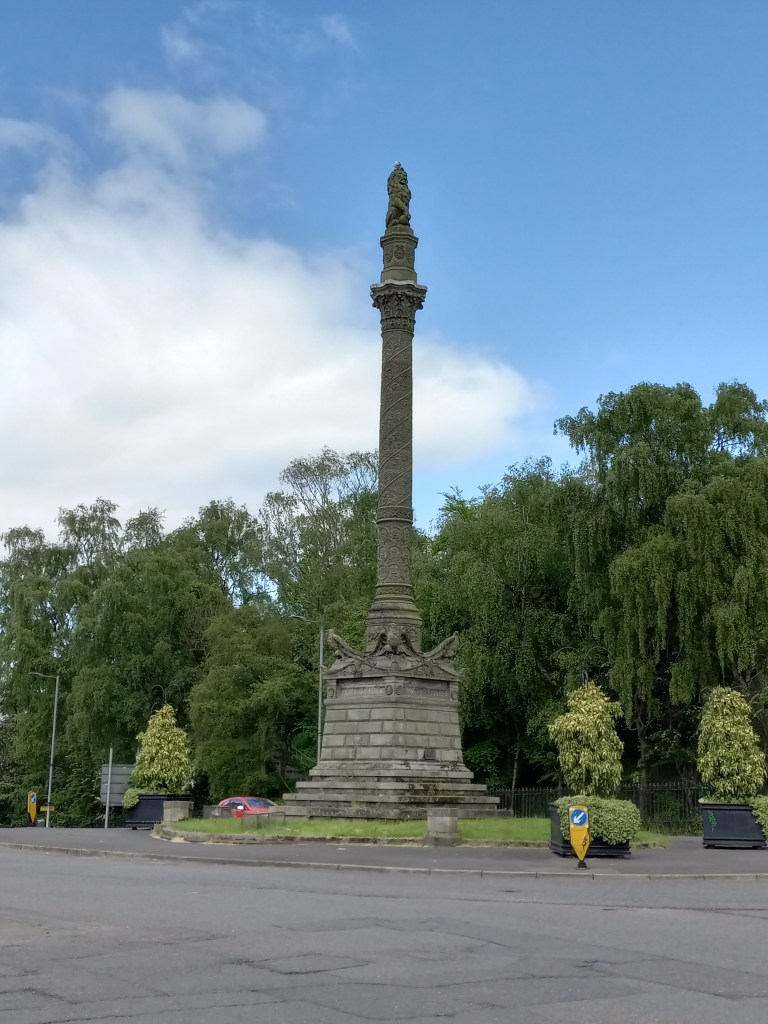
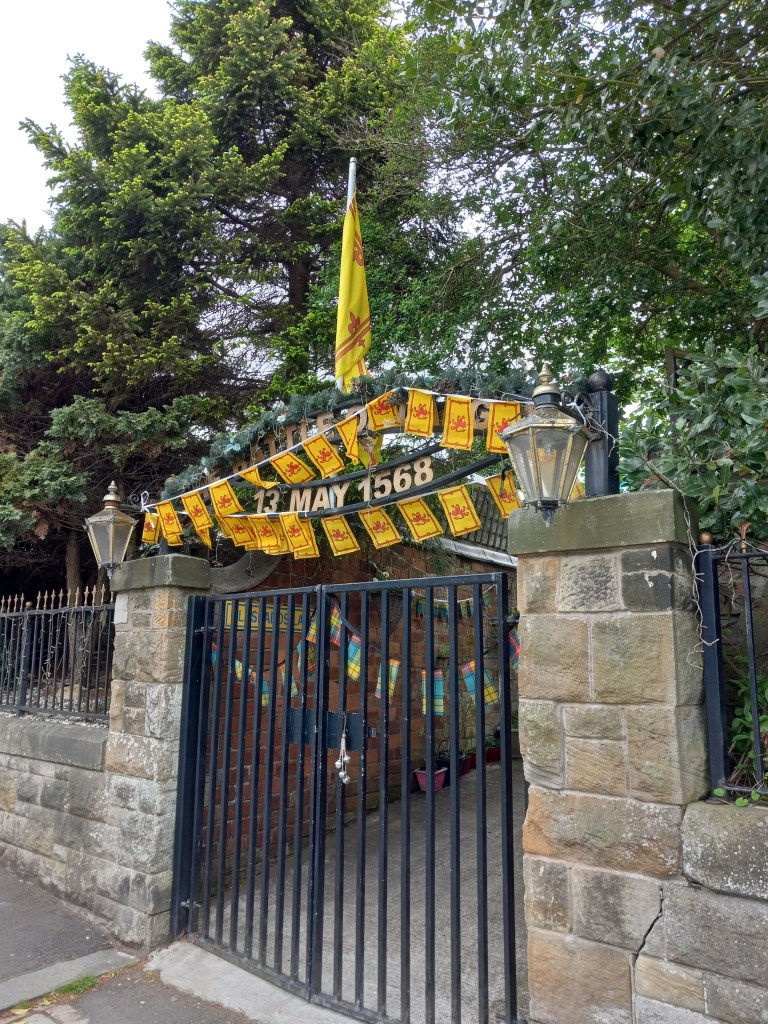
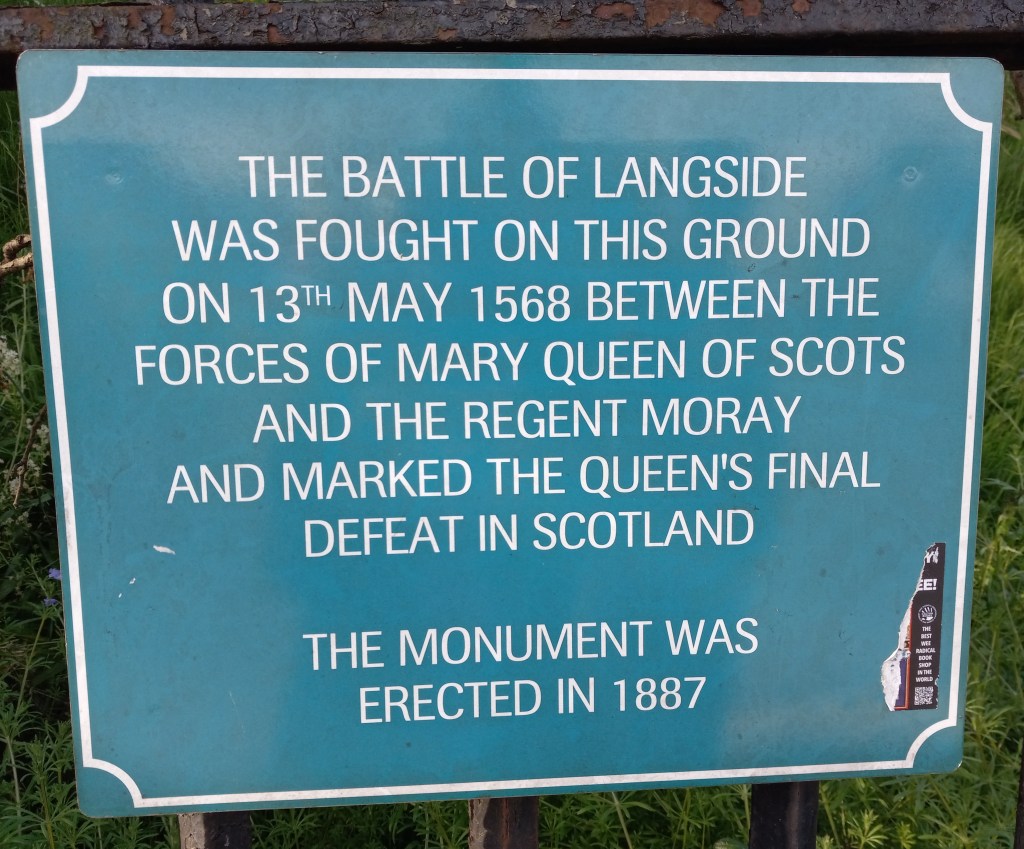
This lovely young lady, Megan, was eager to tell us all about it. It depicts the Battle of Langside, fought on May 13, 1568 between supporters of Mary Queen of Scots and her opponents who had forced her to abdicate in favor of her son. The loss of this battle made her a fugitive until she was ultimately imprisoned and executed in England. It now became clear to us why the street we had been walking on is called Battlefield Road. It was the path the soldiers marched to begin this historic battle. After a very informative visit, we exited the library by way of a beautiful, quiet garden behind the building, maintained by volunteers.
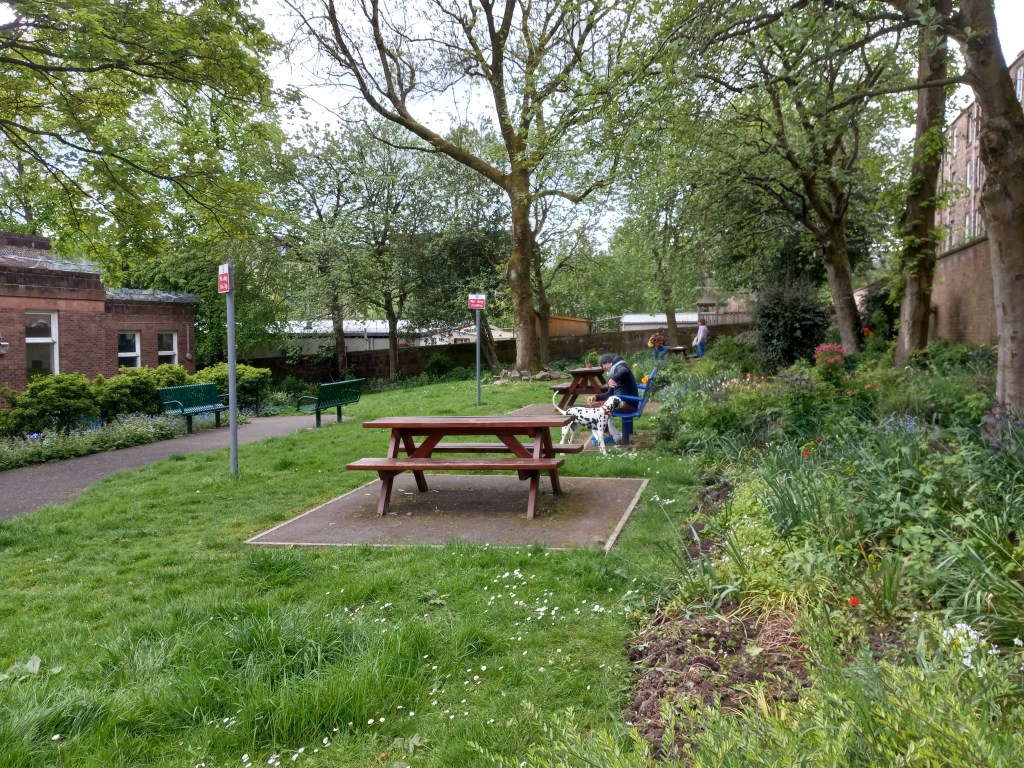
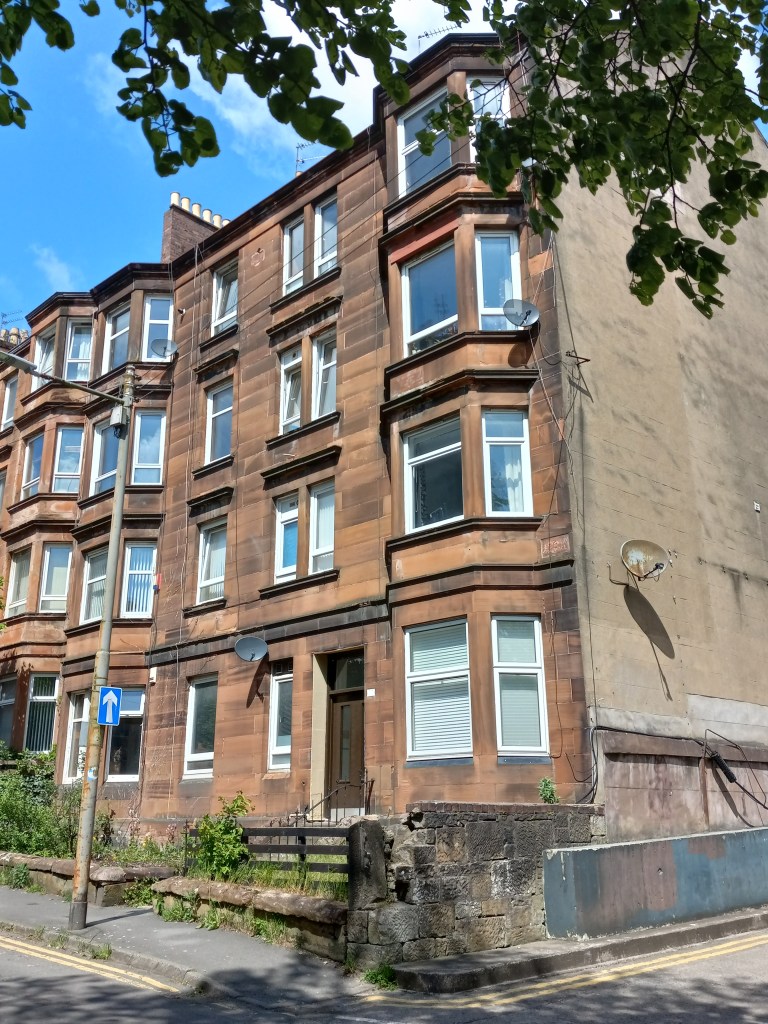
Since our first visit to Scotland when we found some locations significant to the Malcolm family history, Jane has been hoping to find the location of my grandfather’s birthplace. She had an address but we didn’t know if it would be practical to find it on this visit.
As we walked toward our destination for today’s outing, one of the street names prompted Jane’s memory and she excitedly informed me that without really trying, we had stumbled upon the address where my grandfather’s family lived in 1899, the year he was born. This was established by a record she found recently through Ancestry.com. We don’t know if the building currently standing there was built prior to 1899, but it may be the very building where they lived. Jane plans to look into it, but in any case, it was very satisfying to find the location.
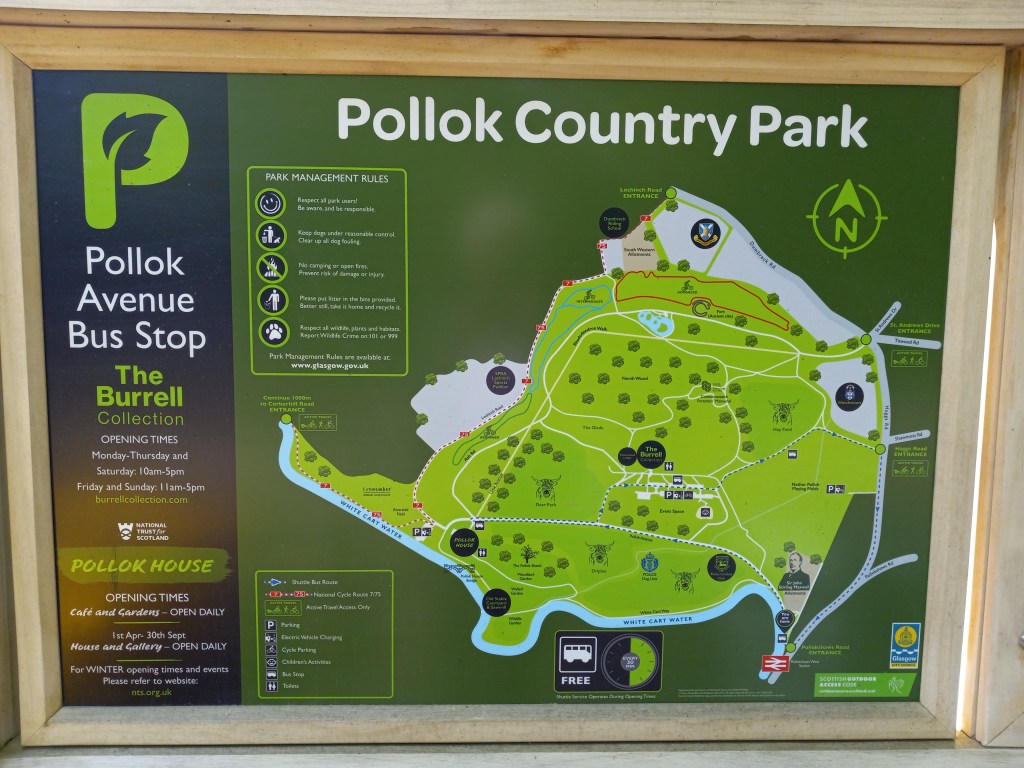
Pollok Country Park is what remains of a country estate held by Maxwell and his ancestors for seven centuries. Nothing remains of the three castles built and torn down over the centuries.

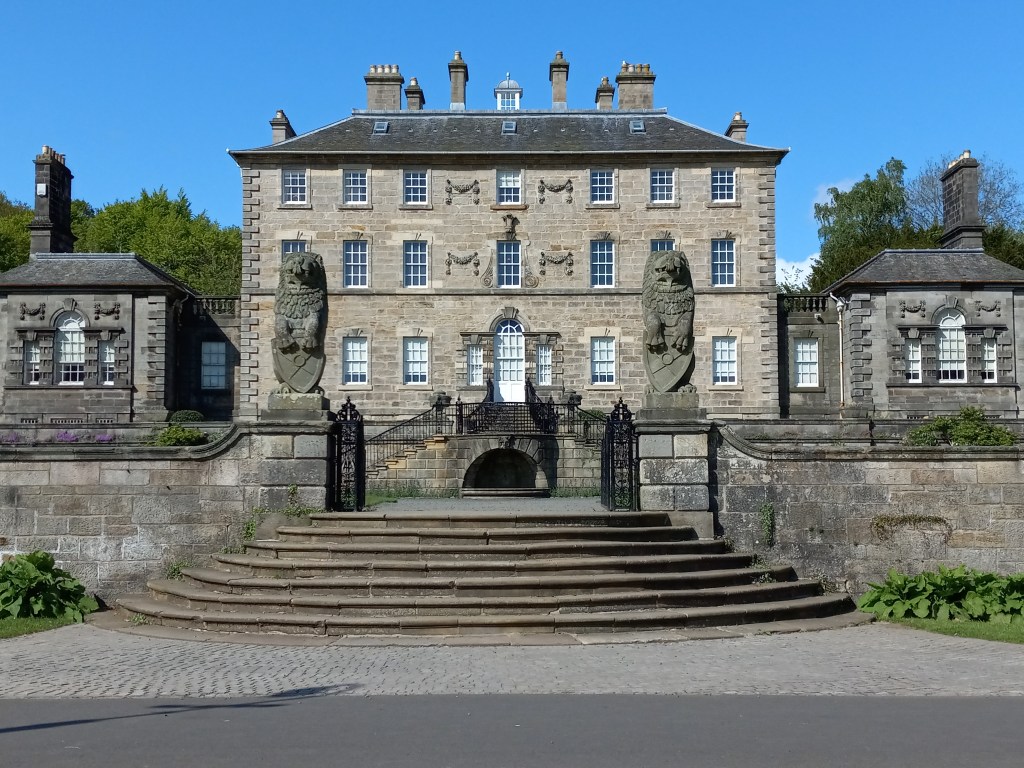
In 1752 the magnificent Pollok House was commissioned by Sir John Maxwell, reusing some of the stone from earlier castles. Today Pollok House is home to a collection of Spanish art.
The day we visited, no tickets were available, but we had already concluded that another museum on the grounds of the park with a wonderful collection of art from many periods and cultures would satisfy our needs, so we were happy to turn our attention to the Burrell Collection.
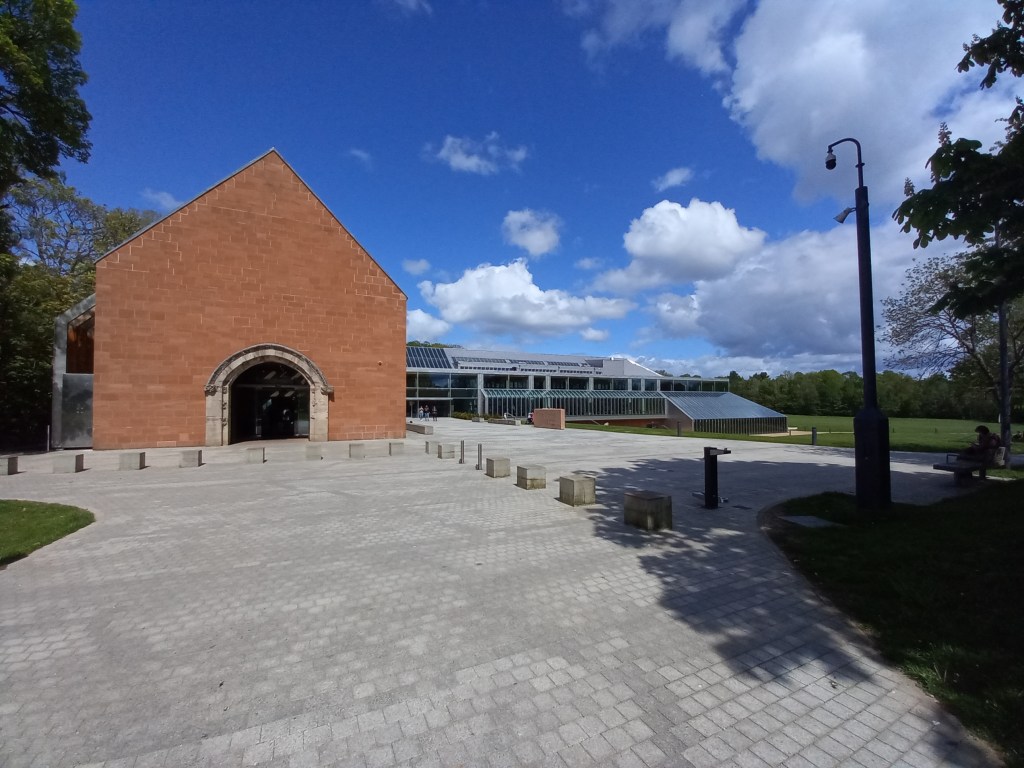
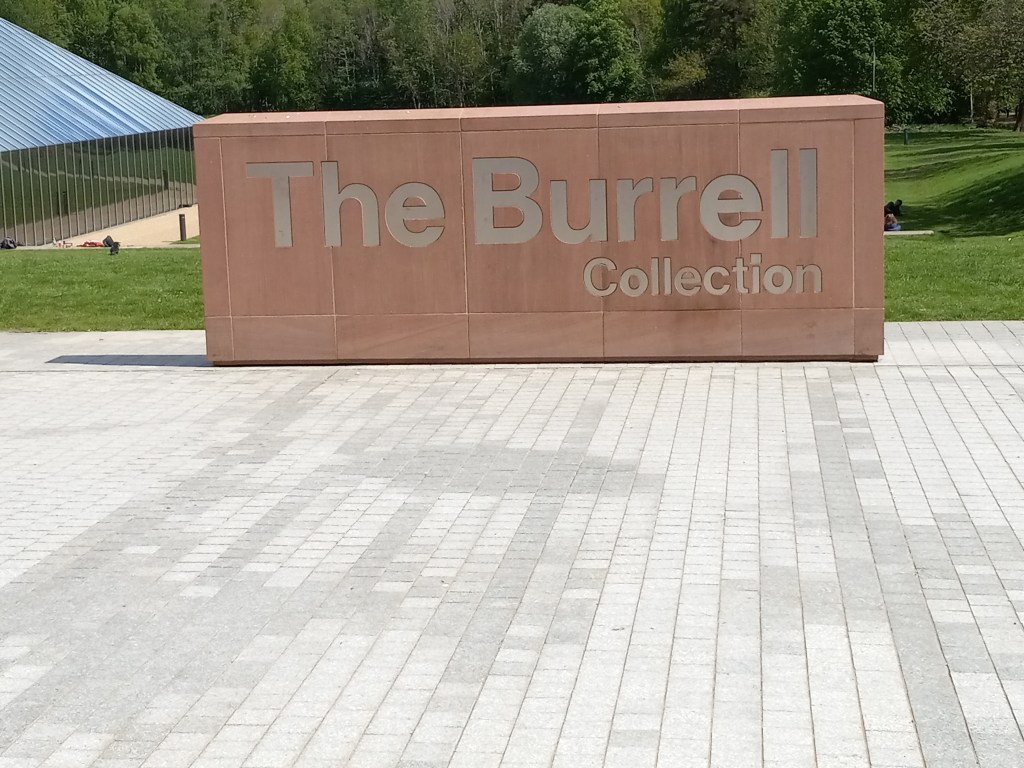
One of the things that people most often refer to as the great hidden treasures of Glasgow are her wonderful museums. As we have mentioned in earlier posts, we have enjoyed several that could only be described as world class museums. The Burrell Collection takes its place among them and I was so glad we had the time to linger over the many stunning artworks within its walls.
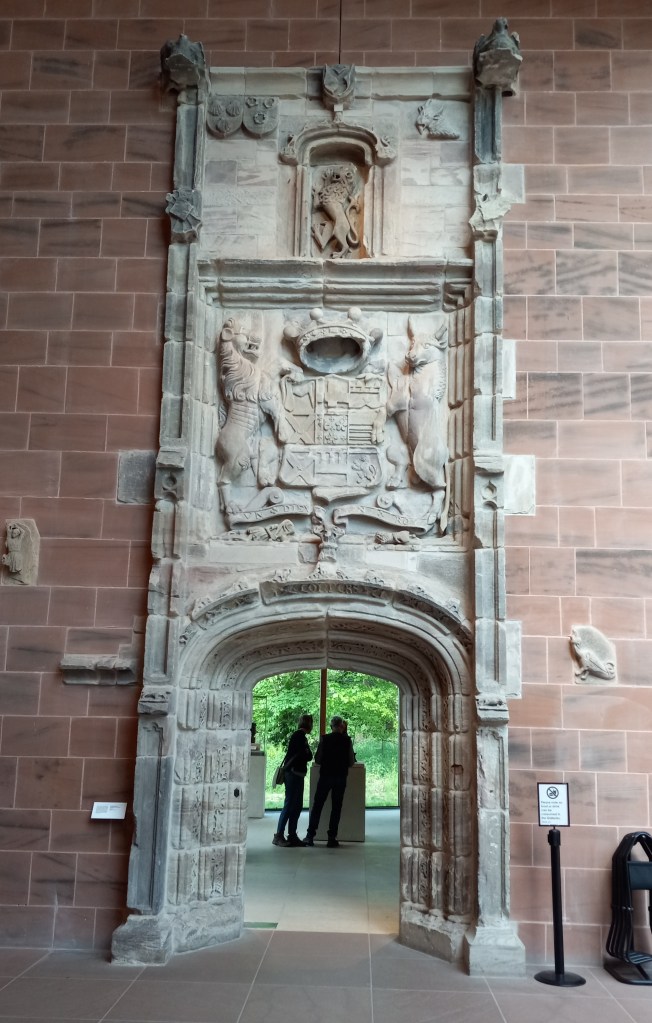
I often have a tendency to “get lost” in a collection like this and my poor camera was gasping, as it seemed I wanted to take home an image of almost everything I saw in the Burrell. This is why Jane and I like to be self-driven in our exploration of Scotland. When one or both of us wants to linger somewhere, we indulge that whim as often as it visits.
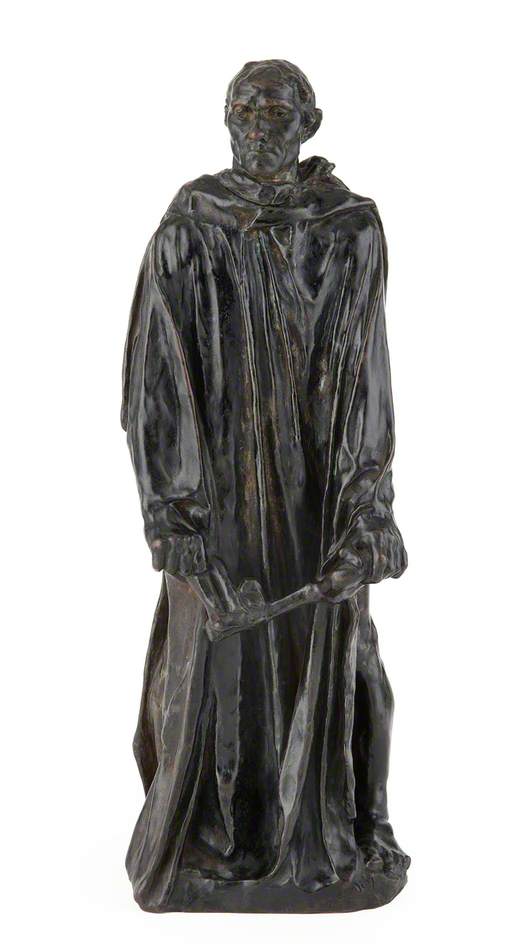
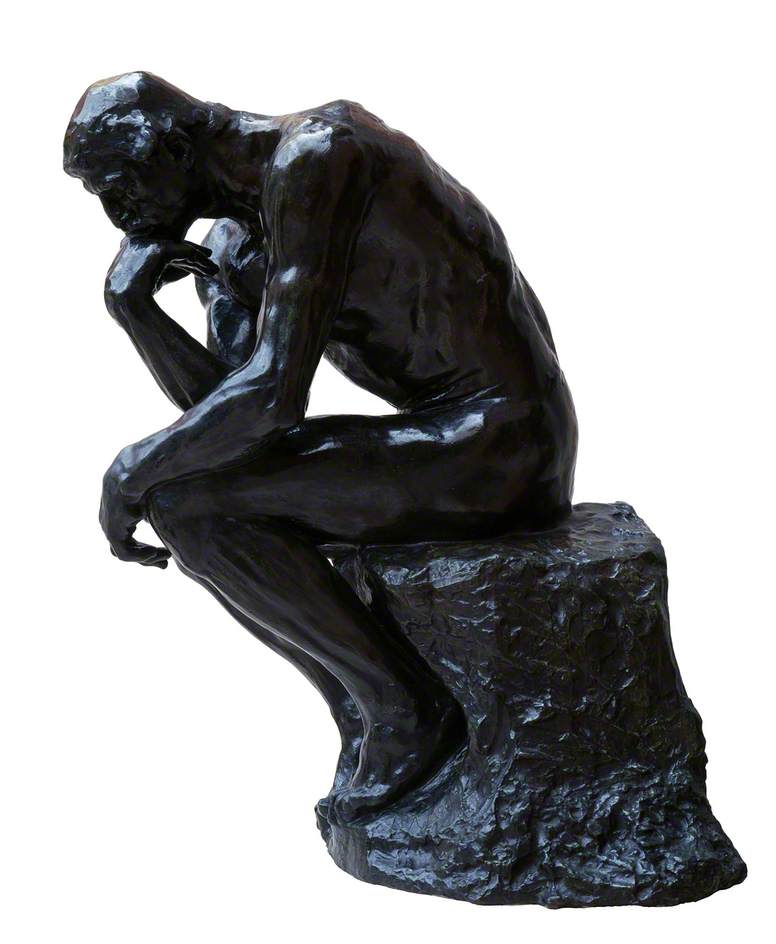
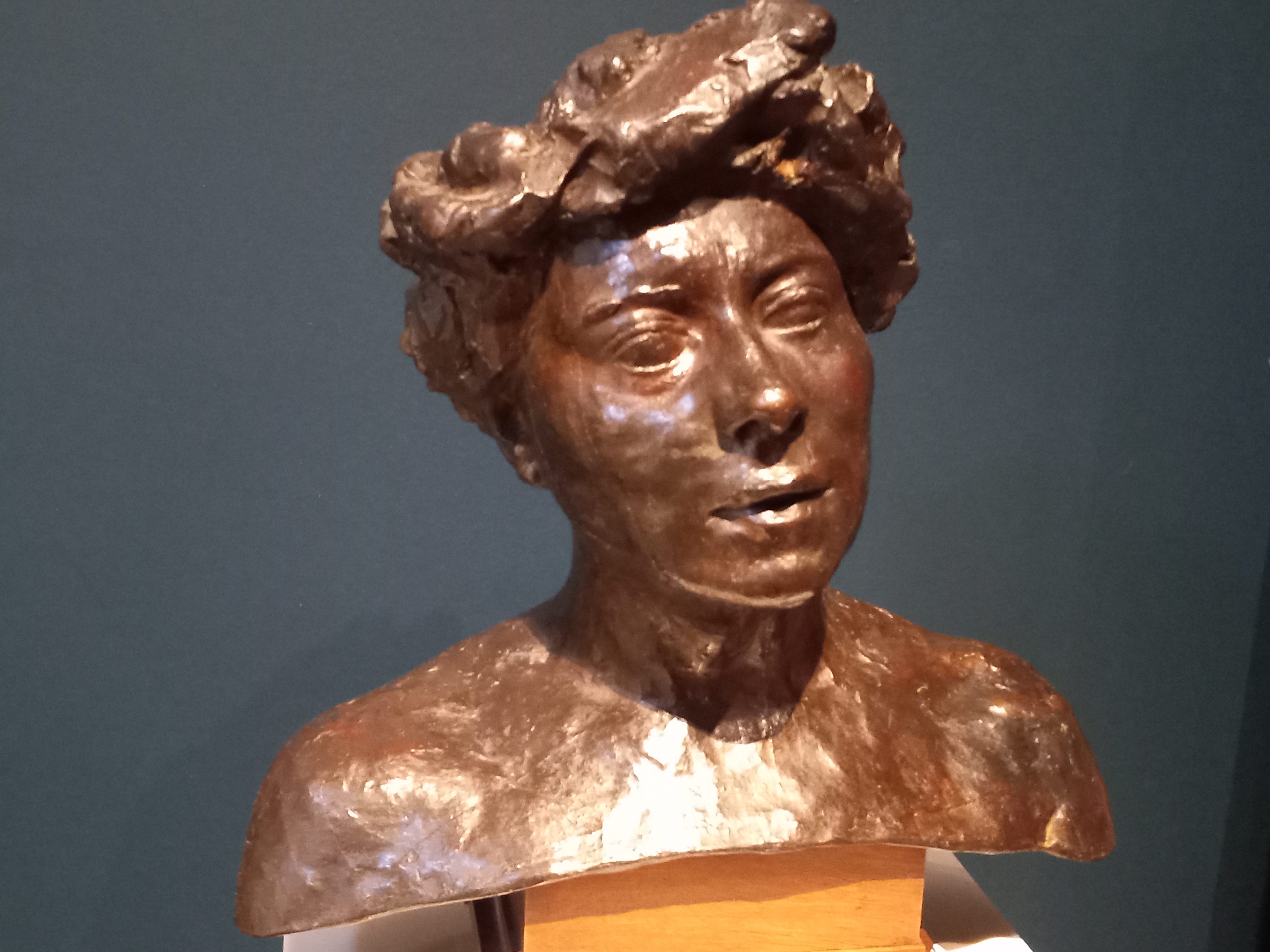
Two specific areas that grabbed me were the number of sculptures by Rodin and the striking way many of the artists depicted religious images. I have been blessed to be able to see Rodin artwork in many great museums in my life and the ones in the Burrell were just as fascinating to enjoy. The depth of detail Rodin captures in his art is endlessly fascinating to me (note: I didn’t get all the photos I intended to, so I have legally used two images from the ArtUK website).

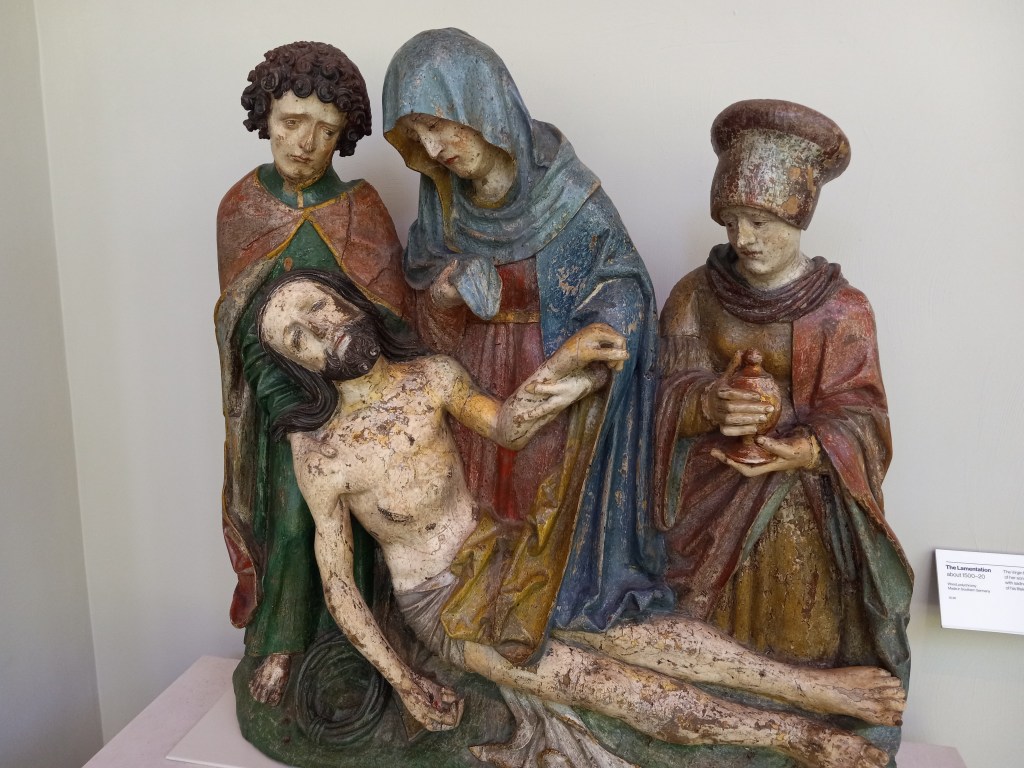
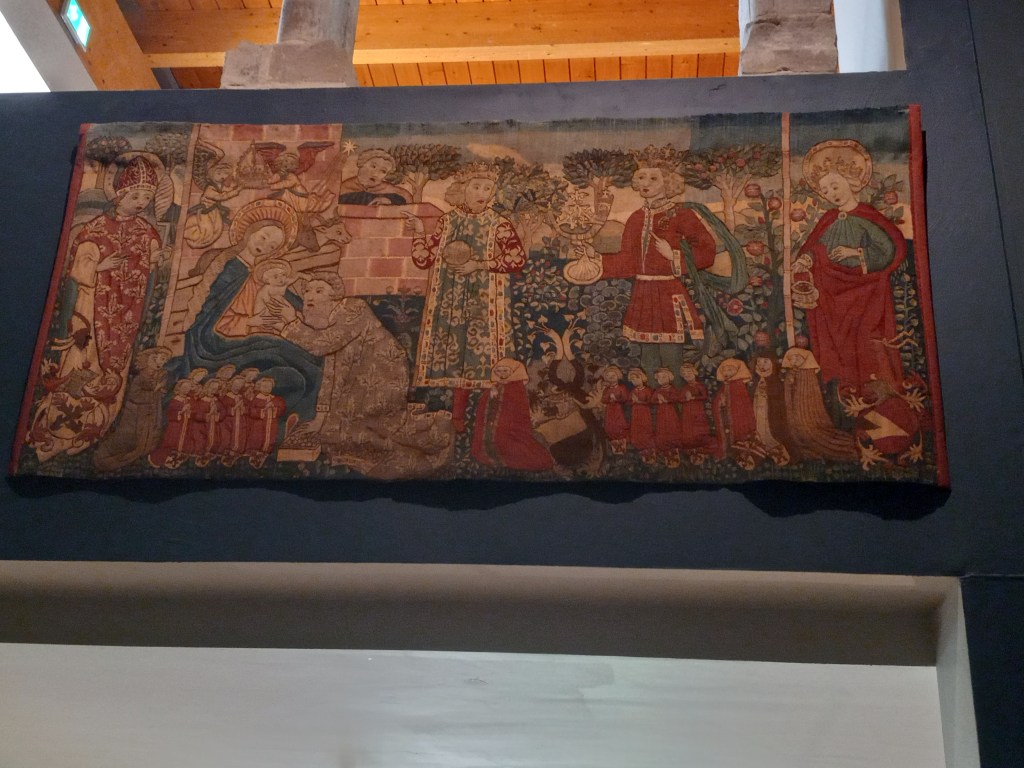
It was both inspiring and interesting to see religious imagery in artwork from earlier centuries and glimpse back deep into the past to see how artists rendered biblical characters and events. By reading the descriptions, we learned that many of these works are as much as 500 years old. This collector used his wealth to preserve these precious pieces of art so a philistine like me could gaze on them while on vacation.
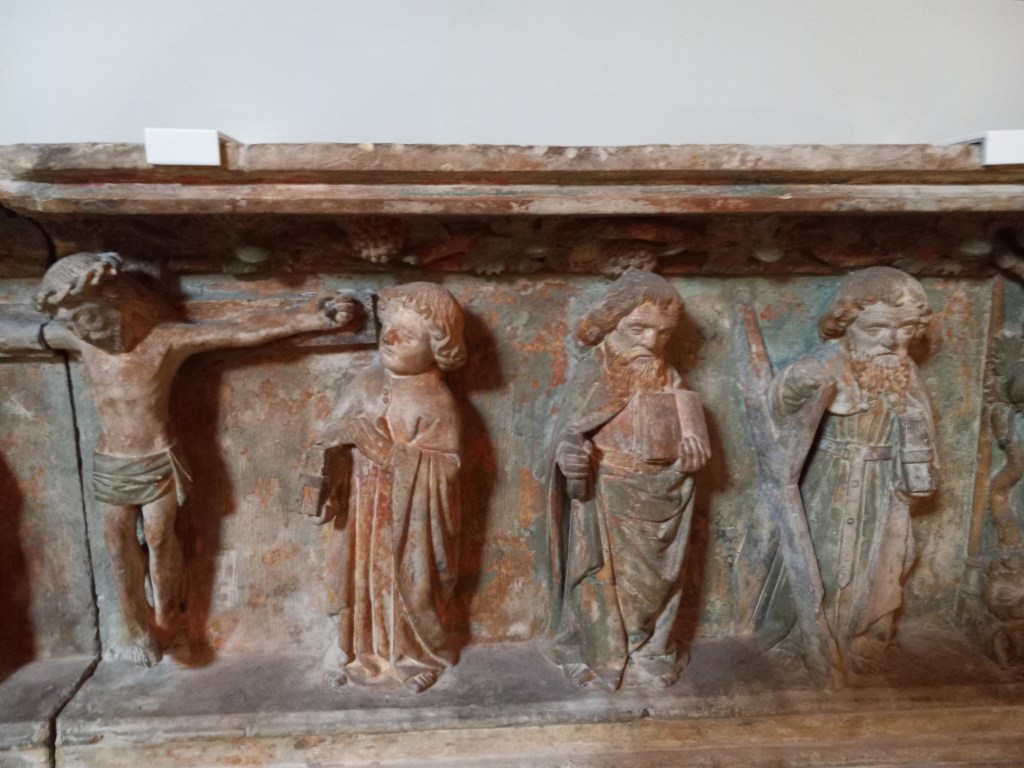
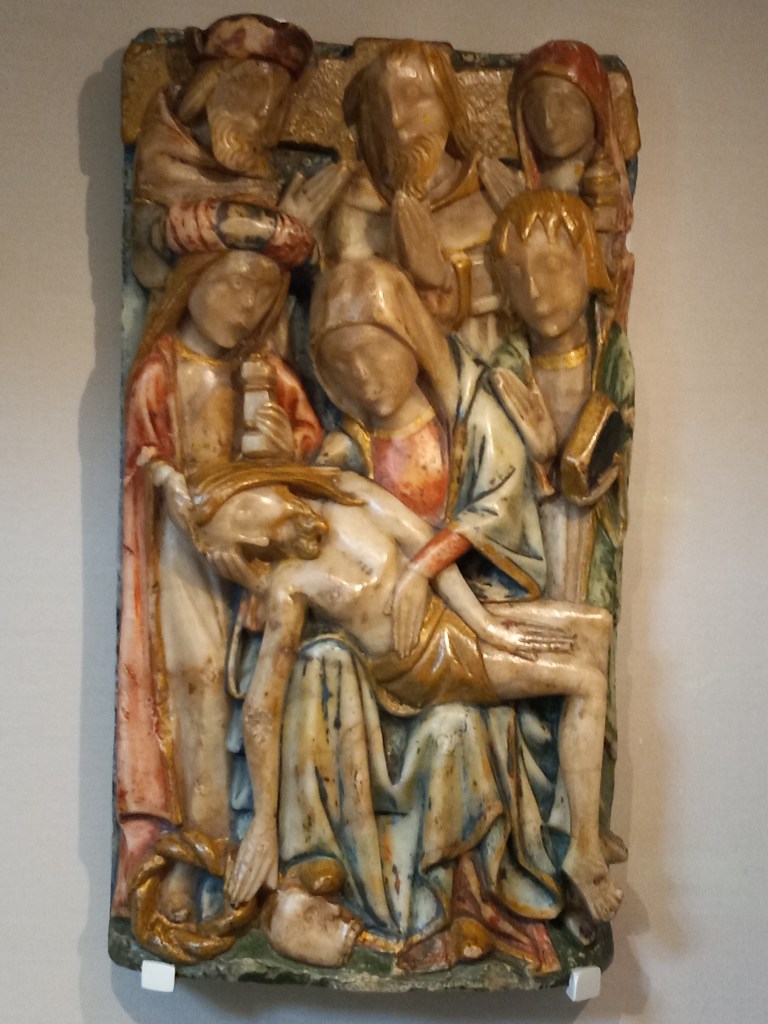
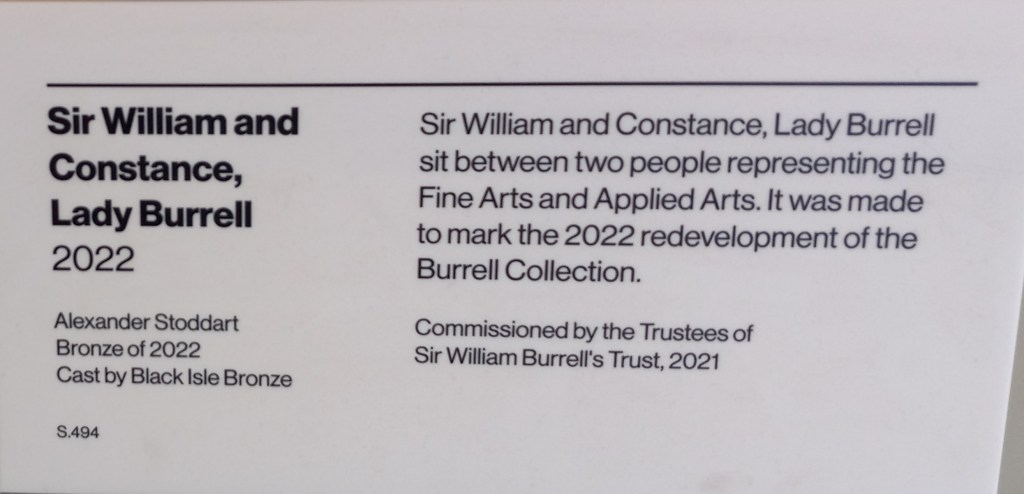
It was appropriate after such a satisfying time of enjoying art that there was one display that honored the family who preserved and made it possible for art lovers to to enjoy this great artwork for generations to come.

After our visit to the Burrell Collection, we enjoyed a lovely stroll through the magnificent gardens of Pollok House. We were there at the perfect time, because lots of beautiful flowers were in full bloom, including an impressive collection of over 1,000 rhododendrons, apparently a passion of one of the recent Maxwells.
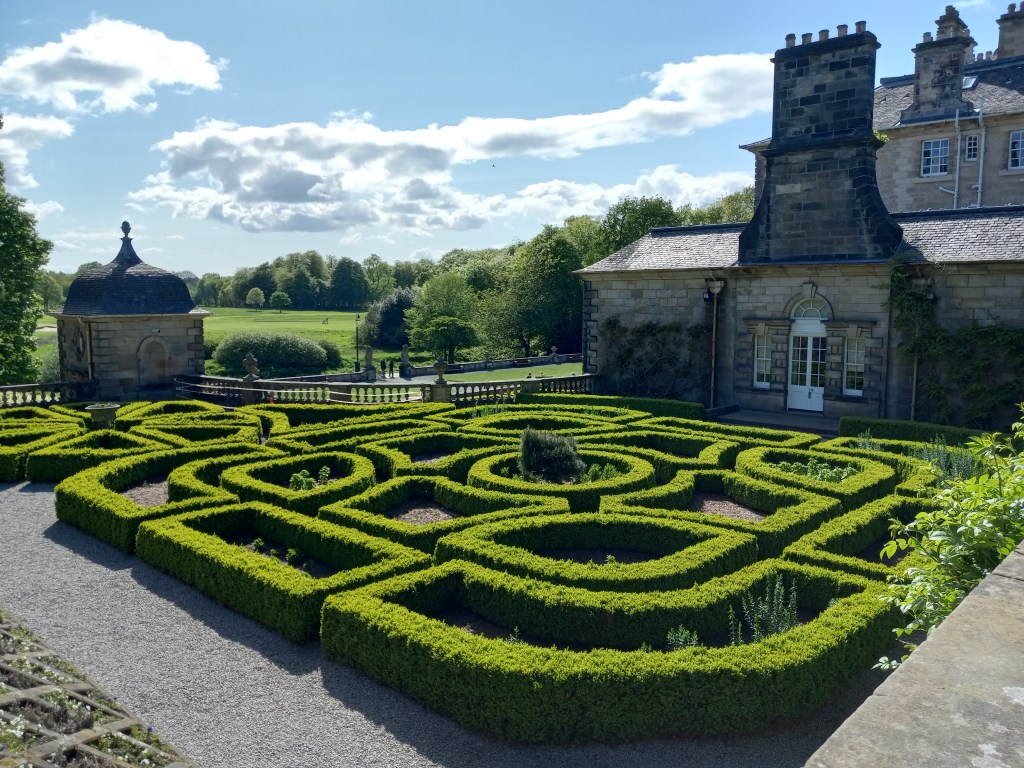
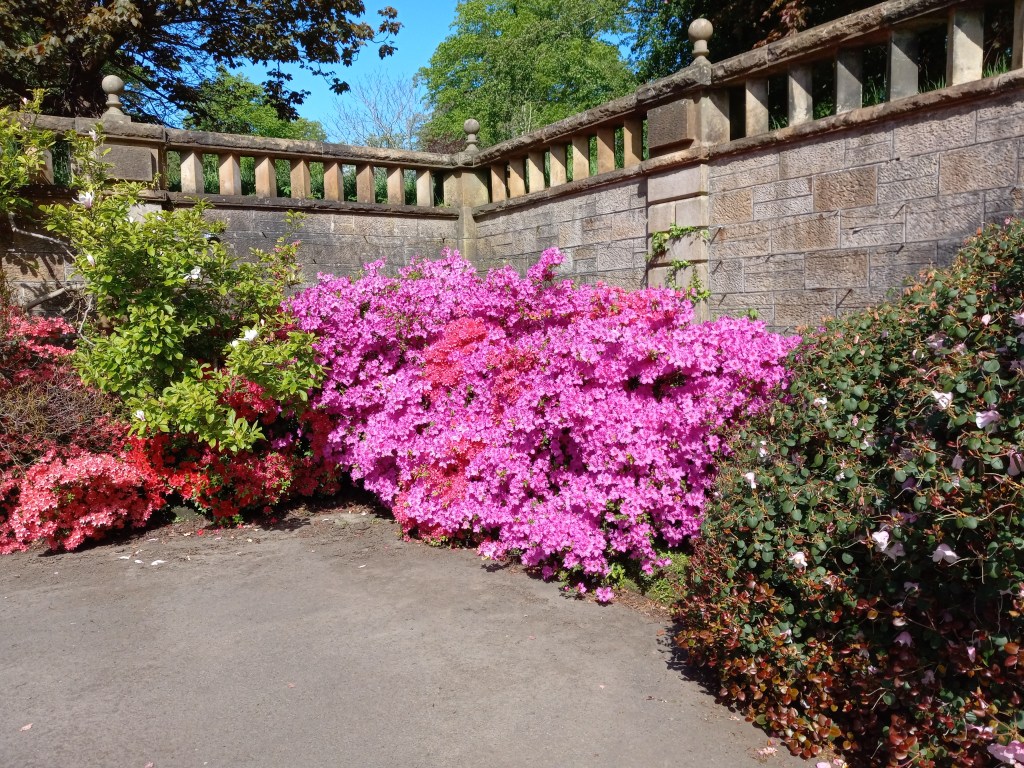
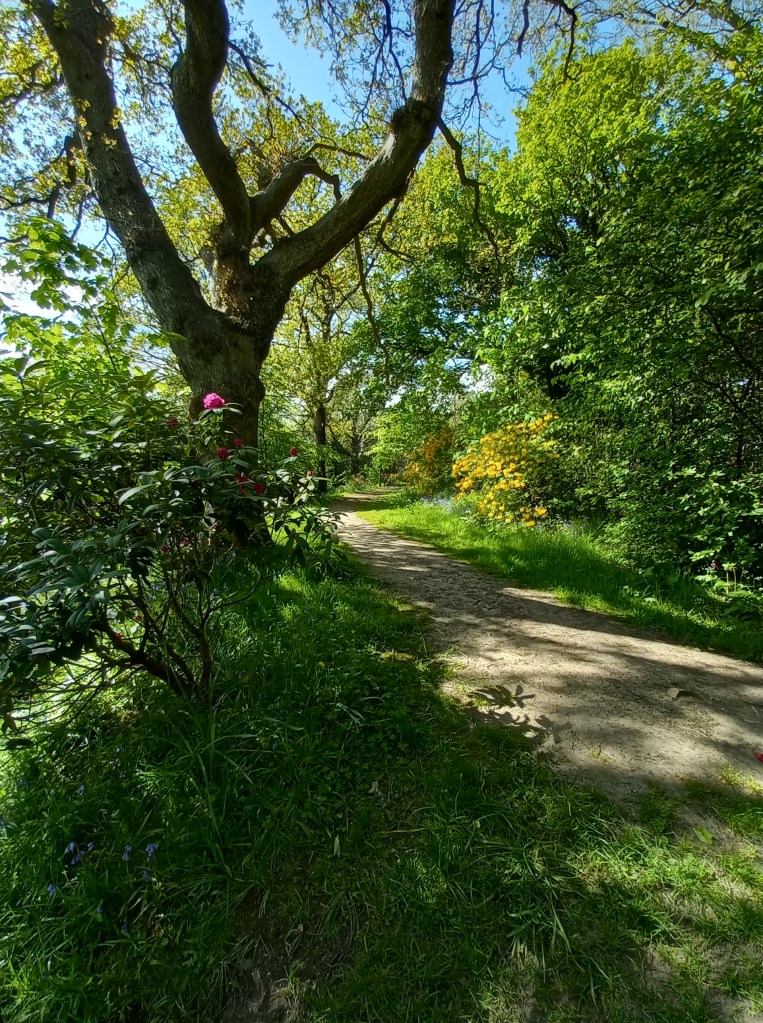
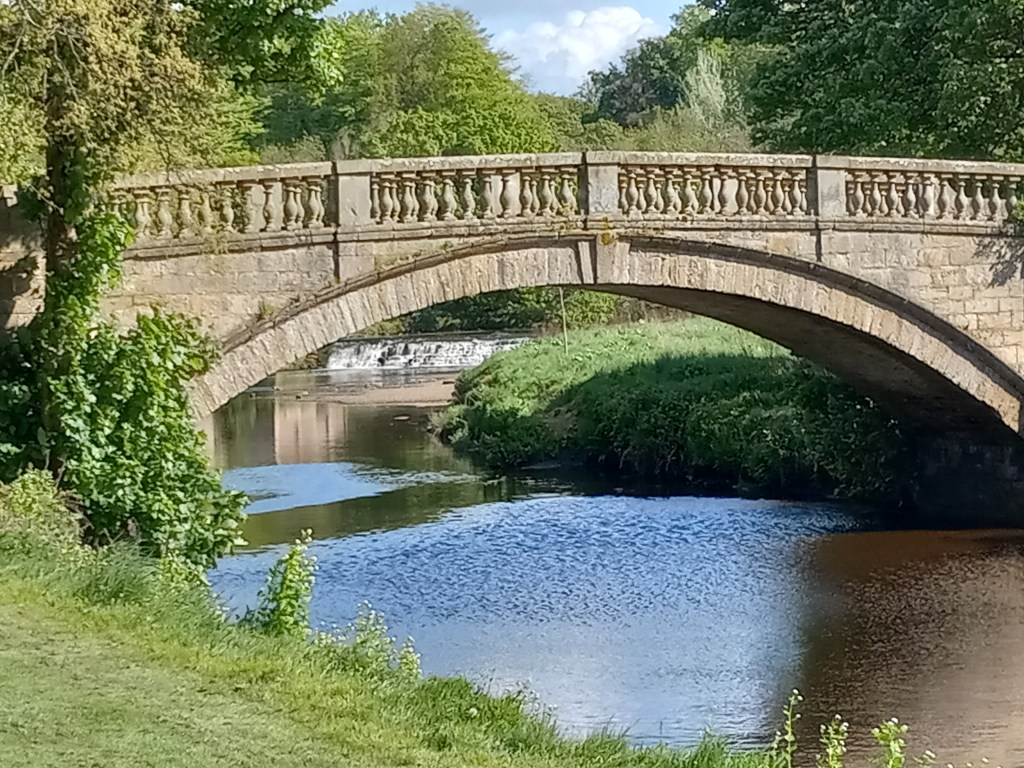
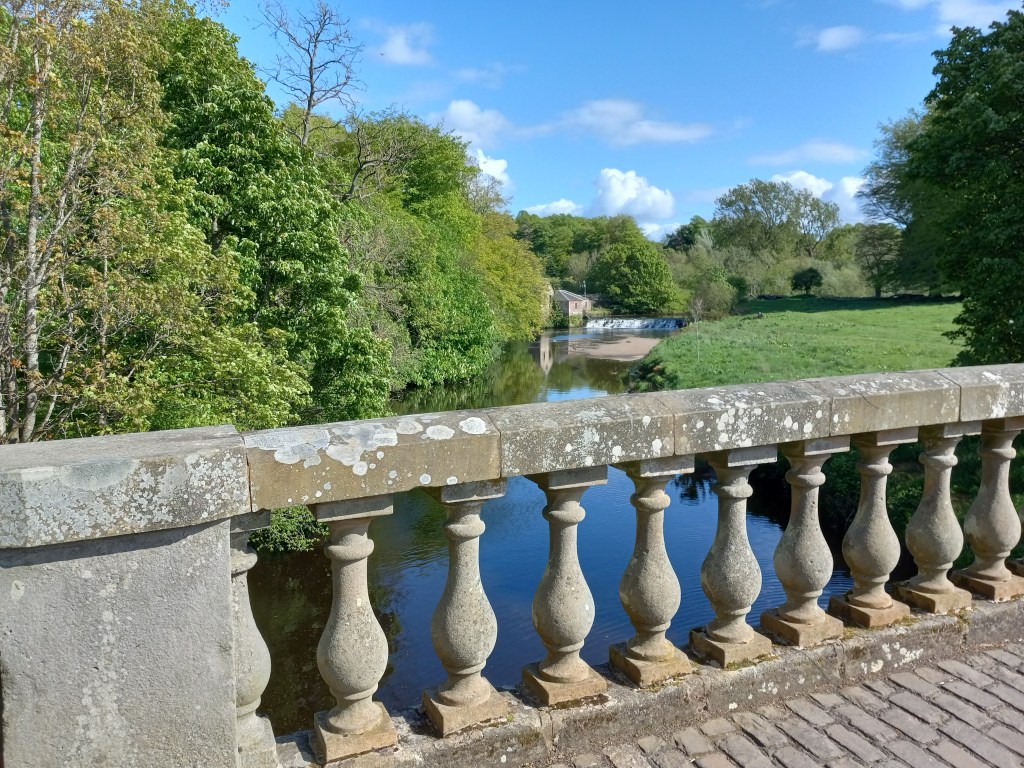
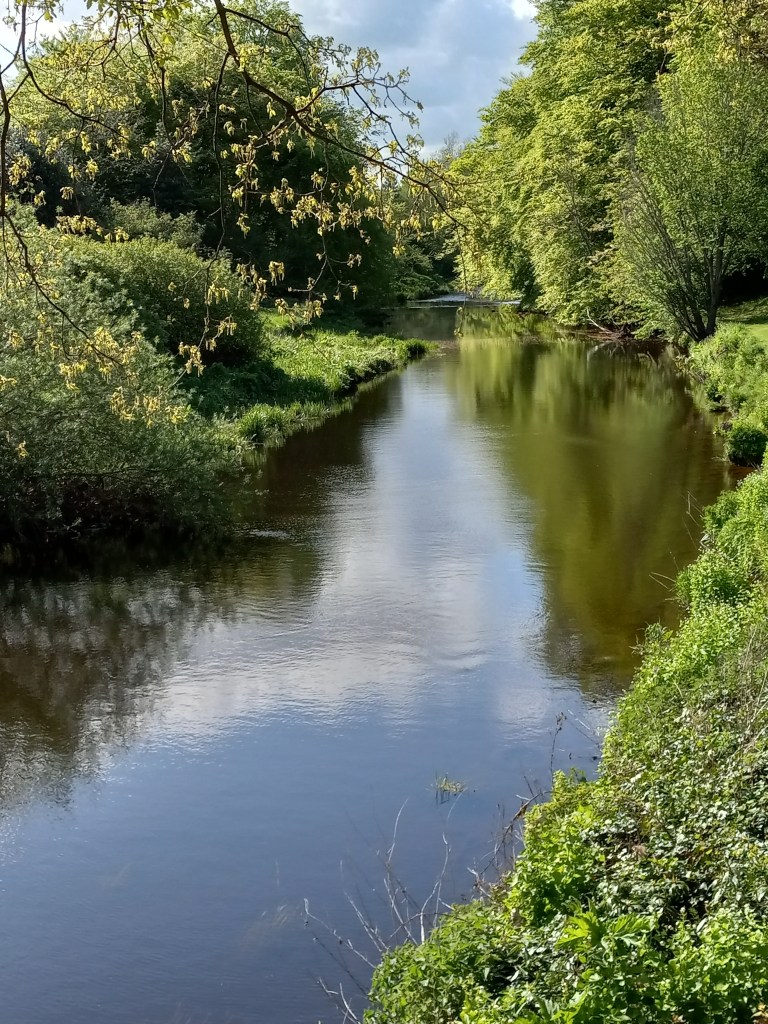
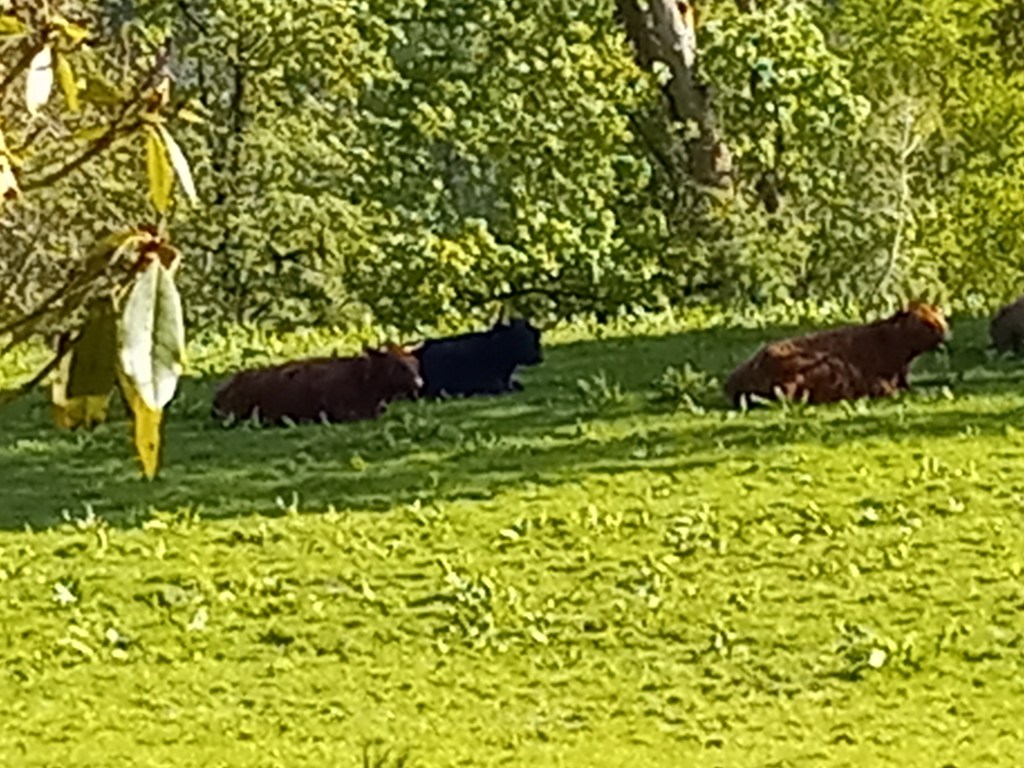
The surrounding grounds made a beautiful place to walk and soak up some nature. On our way out of the park, we got close enough to some resident hairy coos to get a snapshot.
 Malcolms in Scotland 23